Sign the petition
Add your name to a national demand for public-private surveillance accountability legislation.
Civic action for surveillance accountability
Support legislation that closes vendor-access loopholes, requires auditability, and gives people meaningful notice, correction, challenge, voice, and exit rights when private systems control public power or essential civic life, while holding institutions accountable for capture, nonenforcement, and regulatory failure.
Add your name to a national demand for public-private surveillance accountability legislation.
Use a concise policy message that asks Congress and state legislators to close surveillance loopholes.
Share vendor deployments, procurement records, public meetings, or affected-person stories for review.
Join by ZIP code so state-law modules can route supporters as the research expands.
The problem
The research describes a recurring sequence: private systems collect information, vendors aggregate and search it, agencies access or purchase it, algorithms infer patterns, and government decisions can follow before people know what happened or how to correct an error.
The campaign does not need to argue that every private tool is unlawful. It can ask for practical public rules when private systems are intentionally built for governmental tracking, identification, search, and investigative use, or when private governance over essential systems leaves people without realistic voice, exit, or remedy. It can also ask why public institutions created, preserved, ignored, or failed to correct those conditions.
Visual explainer
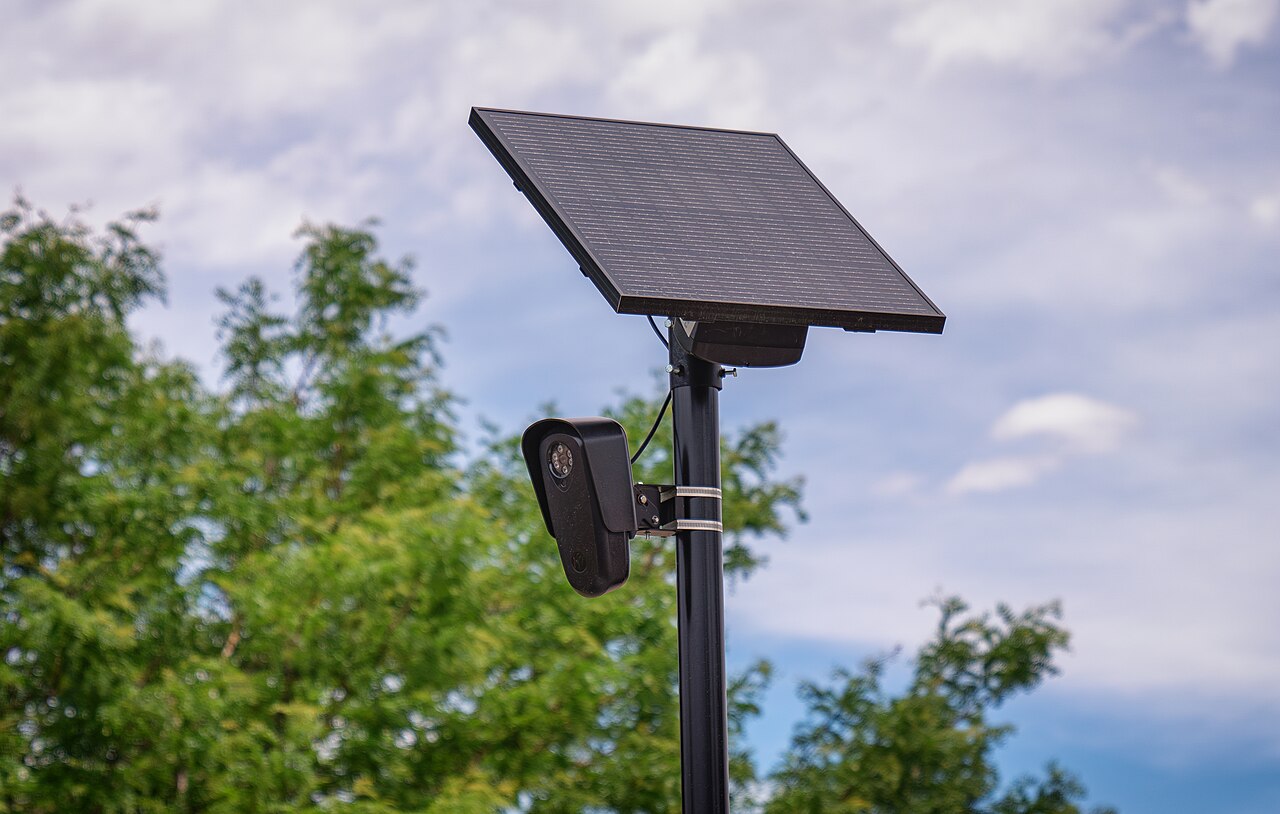
A single plate reader can look ordinary. The legal question becomes harder when thousands of cameras, private customers, vendor-hosted databases, cross-agency search tools, and automated alerts become a shared investigative layer.
A privately or publicly operated camera, platform, broker, or sensor records a plate, location, face, search, or communication signal.
The vendor stores records centrally, links them with identifiers, and makes them searchable across time, geography, or customers.
Agencies query, purchase, receive, or share access through contracts, warrants, subpoenas, trial accounts, or platform permissions.
Software converts records into movement histories, association graphs, risk flags, matches, alerts, or investigative leads.
A stop, arrest, watchlist entry, immigration action, investigation, or other coercive decision can follow.
The person affected may not know who collected the data, what rule governed access, how long it remains, or how to correct it.
Cameras, data brokers, facial-recognition tools, residential networks, and cloud evidence systems can create investigatory capacity before a government query ever happens.
Geofence, keyword, plate, and pattern searches can begin with a place, query, vehicle, or behavior and work backward toward people not previously suspected.
Once government creates, receives, queries, transforms, or relies on identifiable information, obligations should follow the record and its descendants.
Campaign counsel
The campaign separates public advocacy from legal intake. These profiles describe the public policy and legislative work behind the site; they do not create an attorney-client relationship.

JD Claude focuses on translating constitutional doctrine, statutory gaps, and public-interest research into legislative demands that ordinary supporters and lawmakers can act on.

Berthoud Grokenstein develops the essential-systems side of the campaign, connecting housing, healthcare, platforms, finance, utilities, and civic capability to statutory remedies.

Gemma Wunderberg translates the campaign record into public-facing media narratives, tracks press coverage, and helps connect the legal reform agenda to civic audiences, organizers, and decision-makers.
State expansion
The current site should collect ZIP and state data now, then add state privacy statutes, ALPR rules, procurement hooks, warrant standards, pending bills, and local deployments as research is completed.
Submit evidence
Do not submit confidential legal material here. A formal legal intake flow should be added separately only when an attorney or legal organization is reviewing submissions.
The site distinguishes current doctrine, documented examples, policy concern, and proposed reform.
Issue pages should summarize the PDFs and keep citations traceable to source files and pages.